
A Lumen5 Alternative For Teams Who Edit Real Footage
If you are searching for a Lumen5 alternative because your team works with real footage instead of stock and templates, video understanding tools like ClipMind offer a different approach to content production.
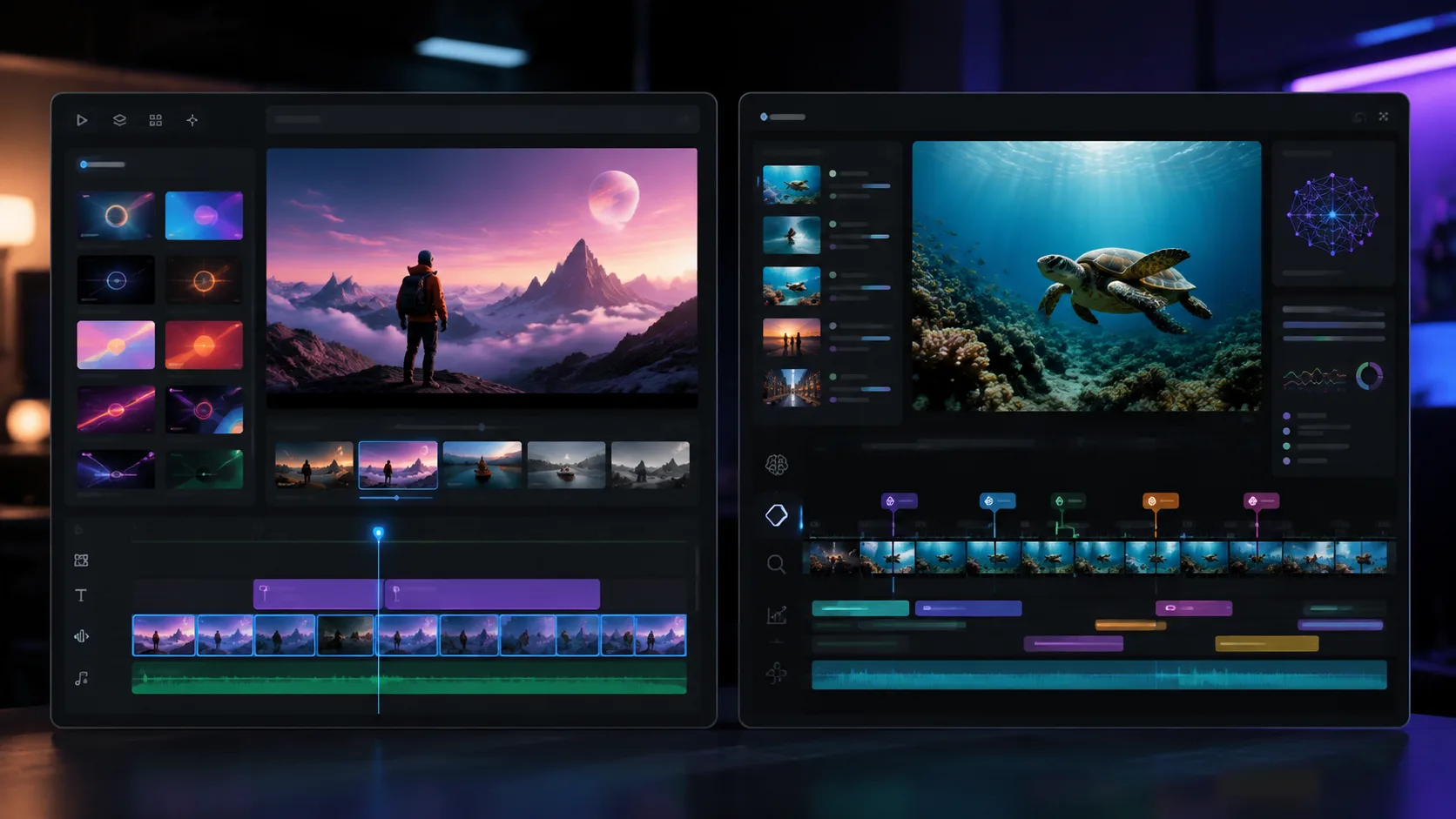
Teams look for a Lumen5 alternative for two reasons. Some want a different template library or pricing tier. Others realize that template-based tools do not fit their workflow: they have real footage from shoots, interviews, events, and customer calls, and they need AI to help them edit what they already filmed. If you are in the second group, the category you actually need is video understanding, not video generation from stock.
1. Template tools vs footage tools
Lumen5 and similar platforms excel at turning blog posts into social videos using stock footage, templates, and text overlays. That works well for content marketing at scale where brand consistency matters more than authenticity. But if your content strategy depends on real customer interviews, founder stories, product demos, or event footage, a template engine cannot help you find the right moments inside what you already shot.
- Use template tools when the source is text and the output is promotional.
- Use understanding tools when the source is footage and the output needs to match reality.
- Mix both when you need template consistency but also authentic clips.
2. What video understanding actually does
Video understanding scans your uploaded footage for scenes, dialogue, faces, objects, and story beats. It builds a structured map of what is in the video, not just a transcript. This lets you search for moments by content, not by timestamp. Instead of scrubbing through hours of interviews, you browse a reverse script that shows who said what, when, and in which scene.
3. Why this matters for brand and marketing teams
Brand teams increasingly produce content from real footage: customer testimonials, behind-the-scenes clips, product walkthroughs, and event recaps. A tool that generates from templates cannot help you repurpose a 45-minute interview into six social cuts. A video understanding tool can surface the quotes, match them to relevant visual moments, and propose a structure for the edit.
4. The workflow difference
With a template tool, you start with a script and the tool finds stock to match. With an understanding tool, you start with footage and the tool shows you what you have. The creative process flips: instead of writing to stock, you discover what your footage can support. This is especially valuable for documentary-style content, UGC campaigns, and any video that needs to feel real.
5. Where ClipMind fits as an alternative
ClipMind is built around video understanding. Upload raw footage, let the system map scenes and dialogue, review the reverse script, and then assemble edits from the structured output. It does not replace templates for pure text-to-video workflows, but it solves the problem template tools cannot: editing real footage at scale with AI assistance.
- Long interviews become searchable by topic and speaker.
- Event footage gets grouped by scene and moment type.
- Multi-file projects share context across all uploaded clips.
6. Choosing based on your content mix
Audit your last quarter of video output. If most of it came from blog posts and needed stock visuals, template tools are still the right fit. If most of it came from footage you shot or recorded, an understanding-first tool will move the needle more. Some teams run both: templates for thought leadership content, understanding tools for testimonial and event work.
FAQ
Is ClipMind a direct Lumen5 replacement?
Not for text-to-stock workflows. ClipMind replaces the footage-editing part of the pipeline, not the template-generation part. Use it when your source material is video, not text.
Can I use both tools together?
Yes. Generate template-based content from text with Lumen5, then use ClipMind to edit authentic footage that requires real moments. They serve different parts of the content production stack.
What types of footage work best with video understanding?
Interviews, podcasts, event recordings, customer calls, product demos, and any long-form content where finding the right moments takes more time than assembling them.