
How To Create Hooks For Instagram Reels Using AI Video Understanding
The first three seconds of an Instagram Reel determine whether viewers stay or scroll. AI video understanding helps you find the most arresting moments in your footage so every Reel opens with a hook that demands attention.
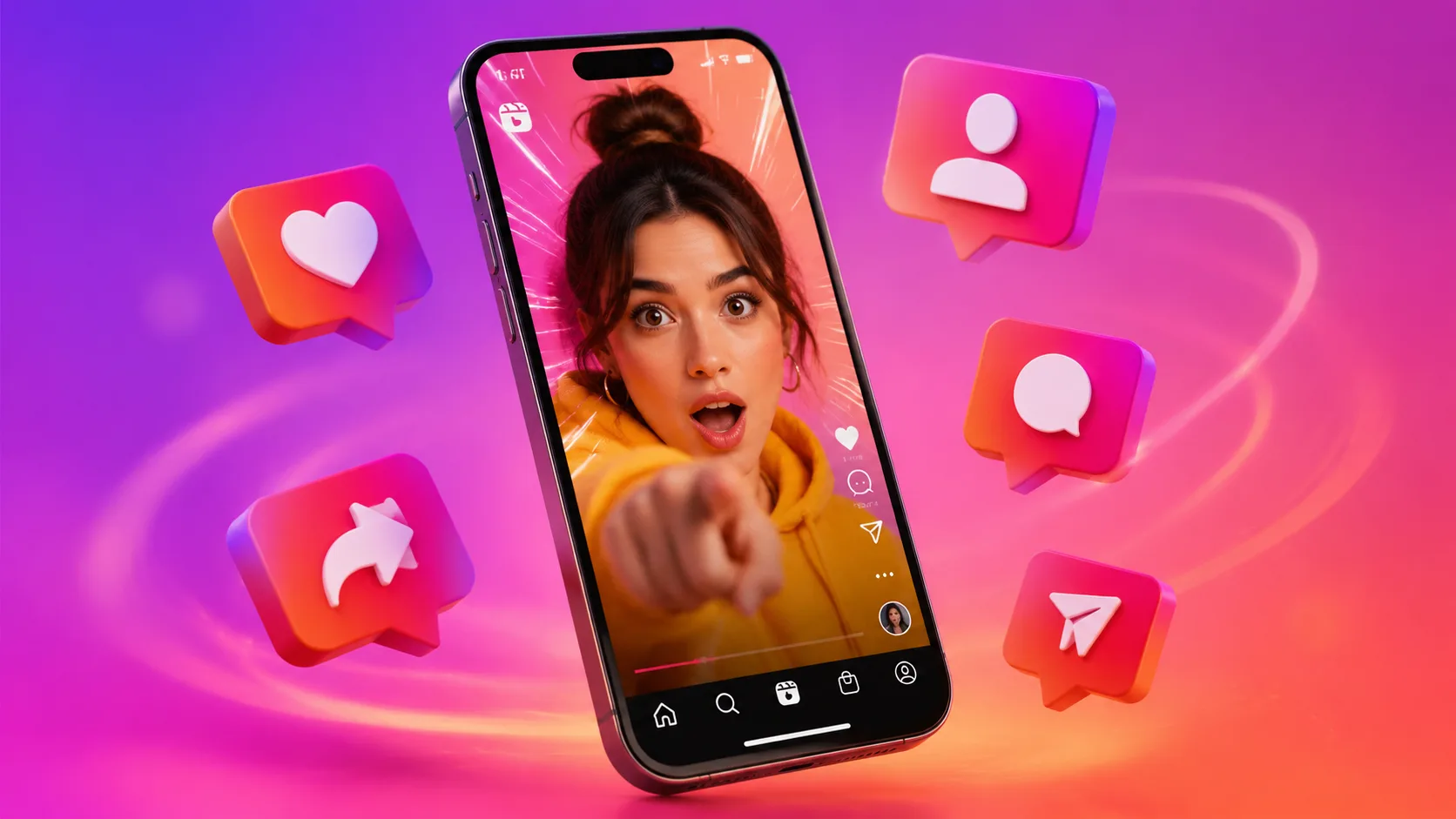
A hook is not just the opening line of a Reel. It is the combination of visual energy, audio cue, and narrative promise that convinces a scrolling viewer to stop. The best hooks are rarely random; they are moments deliberately chosen from longer footage because they create curiosity, emotion, or surprise. AI video understanding helps you find those moments systematically instead of guessing.
1. What actually stops the scroll
Scroll-stopping hooks share patterns: faces making unexpected expressions, motion that demands attention, audio that breaks pattern, or text that poses a question. The hook must deliver on its promise in the first second, not tease and delay. Viewers decide almost instantly whether to commit.
- Visual hooks: dramatic expressions, fast motion, unexpected framing.
- Audio hooks: bold statements, surprising sounds, music drops.
- Text hooks: questions, claims, or challenges posed in the first frame.
2. Use AI to scan for hook candidates
Upload your source footage to a ClipMind project and let video understanding tag scenes, extract key frames, and identify high-energy moments. Instead of scrubbing manually, you browse a reverse script that shows where motion, dialogue, and visual change cluster. The best hooks often come from these high-activity zones.
3. Match the hook to the format
Educational Reels should open with a clear question or problem statement. Entertainment Reels should open with a visual or audio surprise. Brand Reels should open with a human moment that signals authenticity. The hook type should match the content promise, or viewers feel misled and abandon the watch.
4. Test multiple hooks from the same footage
A single interview or event clip often contains several viable hooks. One moment might work for an educational angle, another for an entertainment angle, and a third for a brand authenticity post. Use video understanding to surface all candidates, then cut multiple Reels from the same source with different opening strategies.
5. The hook is just the entry point
A strong hook gets the first three seconds. The next twelve seconds have to deliver on the promise. Structure your Reel so the hook connects directly to the payoff. Do not bait with one topic and pivot to another. Authenticity is the difference between a viewer who watches and a viewer who watches and engages.
6. Build a hook library for recurring content
If you produce recurring Reel series, track which hook patterns perform best. Save successful opening moments and structures as templates for future content. Over time, your hook library becomes a strategic asset that reduces creative friction for each new production cycle.
FAQ
What is the ideal hook length for a Reel?
Under three seconds. The hook must land before the viewer scrolls past. Aim for immediate impact: a bold visual, a surprising statement, or a clear question in the first second.
Should hooks use text overlays?
Yes for educational and brand content. Text overlays reinforce the hook and make the Reel accessible with sound off. For entertainment, sometimes visual impact alone is stronger.
How do I know if a hook is working?
Watch time metrics tell the truth. If viewers drop off after the first few seconds, the hook failed to connect to the content. If they stay through the middle, the hook matched the promise.