
Gemini AI Video Generation vs Video Understanding: Which Problem Are You Solving?
Google I/O 2026 showcased Gemini Omni for AI video generation. But generation is only half the picture. For teams with existing footage, video understanding tools like ClipMind solve a different problem: making sense of what you already have.
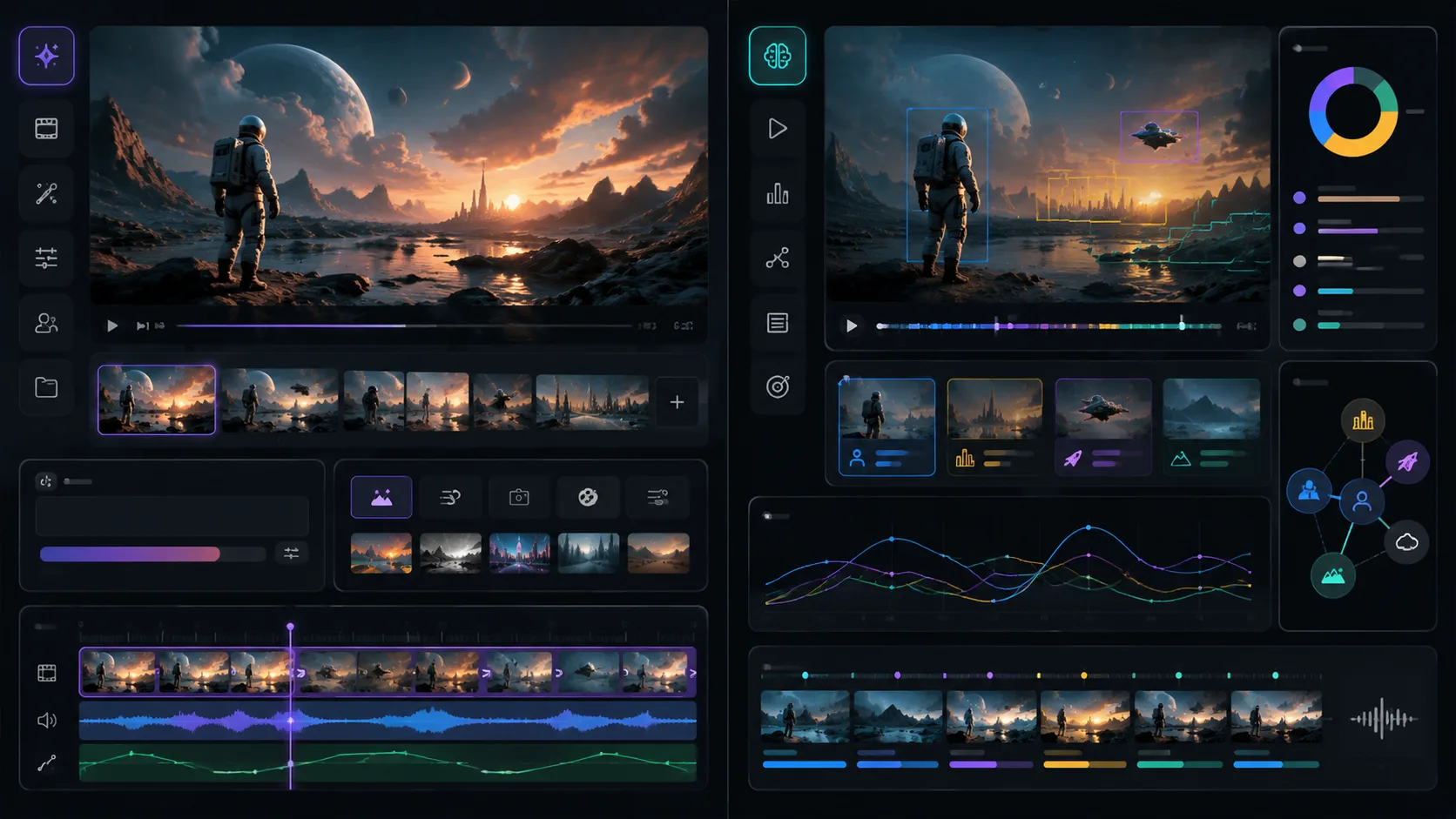
Google I/O 2026 put AI video generation front and center. Gemini Omni promises conversational video creation: describe what you want, iterate with natural language, and export a finished clip. This is impressive technology. But it solves a different problem than most video teams actually have. The harder problem is not generating new footage but understanding and editing the footage you already have.
1. Generation creates, understanding organizes
Video generation tools like Gemini Omni, Runway, and Pika create new visual content from text prompts. They are valuable when you need B-roll, concept tests, or content that does not exist in reality. Video understanding tools like ClipMind do something different: they analyze existing footage to extract structure, dialogue, scenes, and entities. Generation creates; understanding organizes.
- Use generation when you need footage you do not have.
- Use understanding when you have footage you cannot navigate.
- Combine both when generated B-roll needs to fit with real source clips.
2. The problem most teams actually face
Most marketing, media, and content teams are not short on footage. They are drowning in it. They have customer interviews, event recordings, product demos, UGC submissions, and archival material. The bottleneck is not creation but selection: finding the right moment in hours of source material. Gemini Omni does not help with that problem.
3. When Gemini-style generation makes sense
Generated video is ideal for concept exploration, mood boards, and content where authenticity matters less than aesthetics. If you are testing a visual direction before a shoot, generating B-roll to fill gaps, or creating entirely synthetic content, generation tools are the right choice. They are less useful when the content must represent real events, real people, or real products.
4. Why understanding-first workflows are still essential
Understanding-first workflows start from the footage you have, not the footage you imagine. ClipMind ingests raw video, maps scenes and dialogue, and produces a reverse script that shows what is actually usable. This is a different value proposition than generation: it turns unusable volume into navigable structure.
5. The emerging hybrid workflow
Forward-thinking teams are already combining both. Use understanding tools to find the best moments in real footage. Use generation tools to create transitions, insert shots, or stylized B-roll that fills narrative gaps. The hybrid workflow preserves authenticity while adding production polish.
6. Choosing based on your content strategy
If your content strategy depends on authenticity, real voices, and actual events, understanding tools are the primary investment. If your strategy depends on visual novelty, concept testing, and synthetic aesthetics, generation tools lead. Most serious content operations need both, applied to different parts of the pipeline.
FAQ
Is Gemini Omni a competitor to ClipMind?
No. They solve different problems. Gemini Omni generates new video from text. ClipMind understands and organizes existing video. Some workflows will use both, but they are not substitutes for each other.
Will AI video generation replace filming?
For some use cases, yes. Concept tests, synthetic B-roll, and content where authenticity is not central will shift to generation. Content that depends on real people, real products, and real events will still require filming.
Should I invest in generation tools or understanding tools first?
Audit your content. If most of your time goes into finding moments in existing footage, understanding tools first. If most of your time goes into creating visuals that do not exist, generation tools first. Most teams benefit from both eventually.