
AI Voiceover vs Human Voiceover: A Realism Comparison
The gap between AI voiceover and human voiceover is narrowing, but realism is not just about audio quality. It is about emotional authenticity, contextual nuance, and whether the voice fits the content.
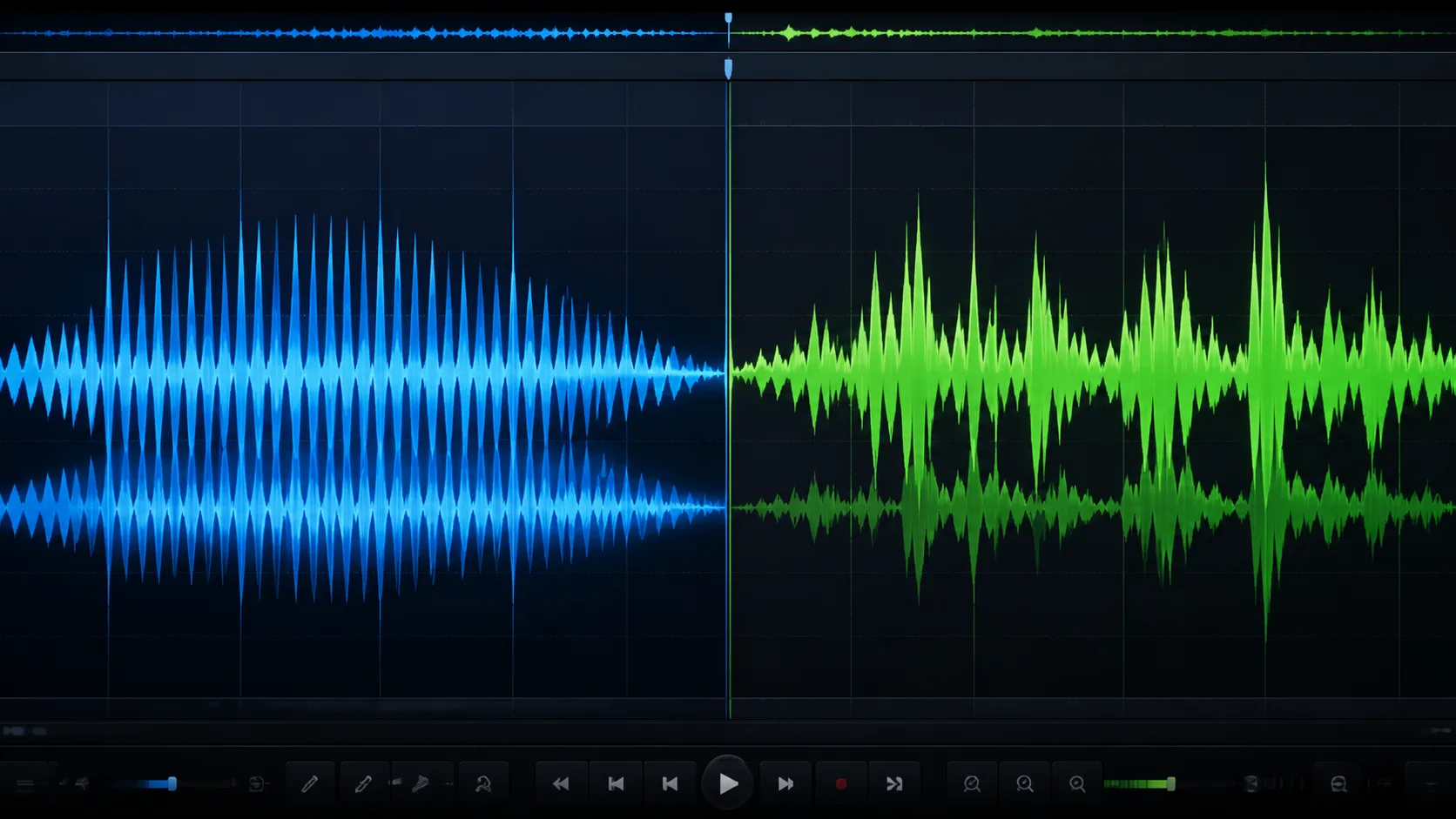
AI voiceover tools have improved dramatically. Many listeners cannot distinguish synthetic voice from recorded human voice in blind tests. But realism is more than audio fidelity. It is about whether the voice performance fits the content, carries appropriate emotion, and feels like it belongs to a real person. This comparison looks at where AI voiceover matches human narration, where it falls short, and how to choose based on your project needs.
1. Audio quality: the gap has closed
Modern AI voices sound natural at the phonetic level. Pronunciation, breath patterns, and intonation have reached a point where casual listeners rarely notice artificiality. The uncanny valley that defined early text-to-speech is largely gone for neutral narration styles. Quality differences now show up in emotional range and contextual adaptation, not in basic audio realism.
- Neutral narration: AI and human are nearly indistinguishable.
- Emotional content: AI can approximate but not fully match human range.
- Character voices: AI excels at consistent stylized delivery.
2. Where human voiceover still wins
Human narrators bring interpretive choices that AI cannot replicate: knowing when to speed up for urgency, when to slow down for emphasis, and when a subtle breath communicates more than words. Interviews, testimonials, and documentary narration benefit from human judgment about what the content deserves emotionally.
3. Where AI voiceover is the better choice
AI voiceover wins on consistency, cost, and iteration speed. Need to change a script line at midnight and export before a morning deadline? AI delivers instantly. Need the same voice across fifty tutorial videos without scheduling a narrator for each session? AI provides consistent delivery. For high-volume, scripted content where emotional nuance is secondary, AI voiceover is often the pragmatic choice.
4. The script matters more than the voice
A mediocre script read by a human sounds worse than a strong script read by AI. The realism of the performance depends heavily on the writing. Short sentences, natural pacing markers, and pronunciation guides help both human and AI deliverers sound authentic. If the script reads like marketing copy, no voice will make it feel real.
- Write for the ear, not the page.
- Use punctuation to control timing and breath.
- Test read the script aloud before recording.
5. Blending AI and human voice
Some productions blend both: human voice for key emotional moments, AI voice for informational sections. This hybrid approach preserves authenticity where it matters while maintaining efficiency for bulk content. The transition must be handled carefully to avoid jarring shifts in tone.
6. Making the choice based on content type
Educational content, tutorials, and product explainers often work well with AI voice. Documentary, brand storytelling, and interview content usually require human narration. The decision should be driven by audience expectation and emotional stakes, not just cost or convenience.
FAQ
Can viewers tell if a voiceover is AI-generated?
Often not for neutral narration. Emotional or highly expressive content reveals more artifacts. The safest assumption is that sophisticated audiences may notice, so choose AI when authenticity is not the primary value proposition.
Is AI voiceover cheaper than human voiceover?
Yes, especially for iterative content where scripts change frequently. AI eliminates scheduling, studio time, and revision costs. For one-time, stable scripts, the cost gap narrows.
Should I disclose AI voiceover use?
For commercial and brand content, transparency is increasingly expected. For internal and educational content, disclosure is less critical but still builds trust with discerning audiences.