
AI Voice Characters for Video: Text-to-Speech Narration Beyond Robotic Reads
AI voice characters for video narration have moved past robotic monotone. Today's text-to-speech tools can match tone, pacing, and character persona to fit content from gaming videos to branded explainers.
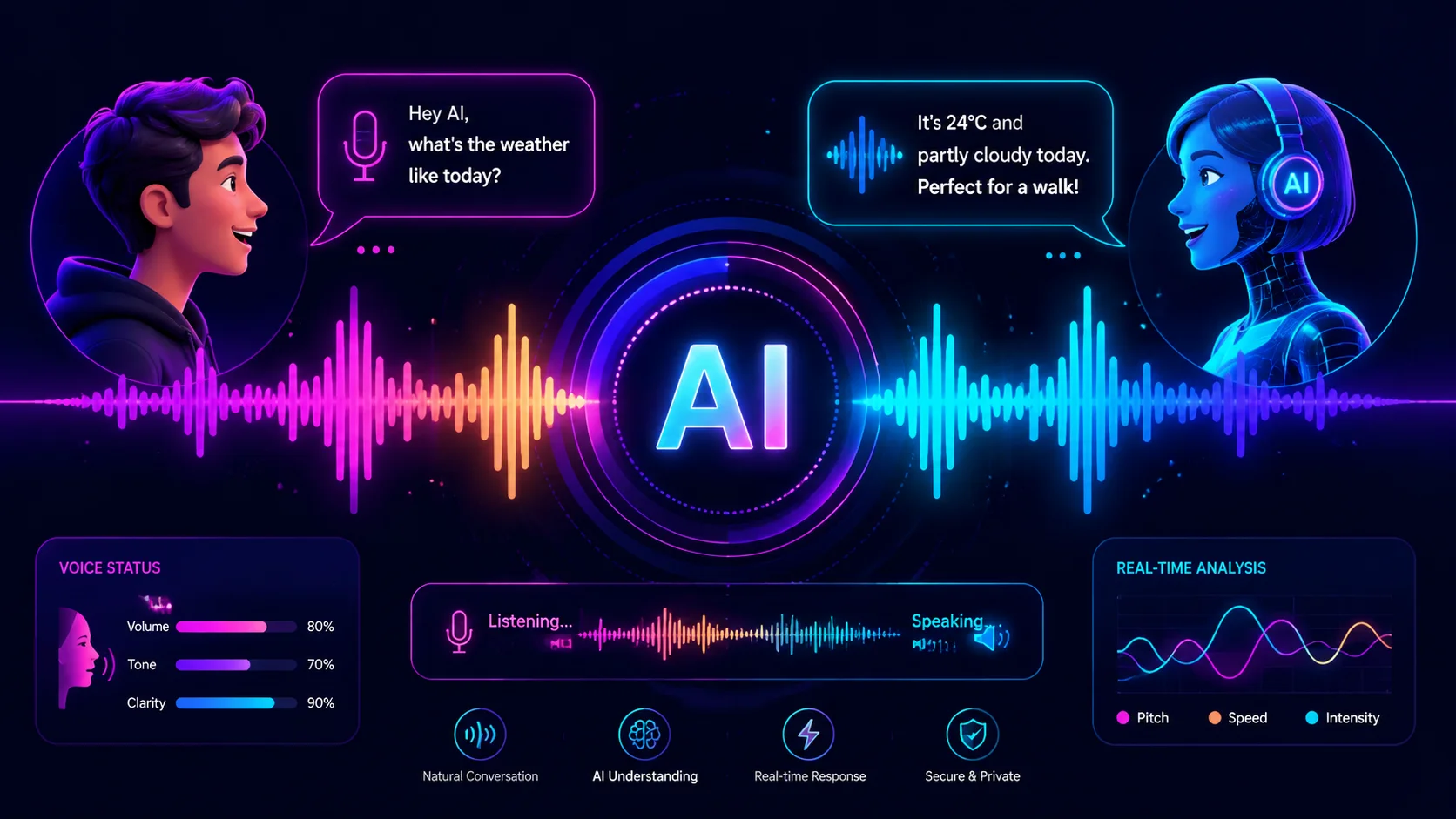
Text-to-speech for video has come a long way from the flat, robotic voice that once defined it. Creators now use AI voice tools to add narration to gaming content, animated explainers, social clips, and brand videos, choosing from a wide range of voice characters, accents, and emotional registers. The craft question is no longer whether AI voice sounds natural enough. It is whether you are using the right character, pacing, and script structure for the video it has to carry.
1. Why voice character matters more than voice quality
Most modern text-to-speech tools produce audio that sounds acceptably natural. The bigger variable is character fit: does the voice register match the content? A high-energy gaming voice works for Minecraft parkour narration but would feel wrong on a meditation explainer. A calm, measured voice suits a tutorial but kills the energy of a sports highlight reel.
- Match voice energy to content type before selecting a specific voice.
- Consider accent as a cultural signal, not just an aesthetic choice.
- Pacing preset matters as much as voice character: slow reads lose attention on short-form content.
2. Popular AI voice character categories
Gaming and commentary voices tend toward expressive, high-energy reads that hold attention through action sequences. Educational and tutorial voices favor clarity and measured pacing. Brand and explainer voices need warmth and authority without sounding corporate. Character voices, from pirate personas to dramatic villains, work well for creative content and entertainment.
3. Writing scripts for AI voice delivery
AI voices read text literally. Punctuation controls pacing: a period creates a longer pause than a comma. Sentence length controls breath rhythm. Unusual product names, technical terms, and abbreviations often need phonetic respelling to sound correct. Read your script aloud before generating audio to catch awkward phrasing that a human reader would naturally smooth over.
- Use short sentences for high-energy narration, longer sentences for explanatory content.
- Add ellipses or dashes to force natural pause points.
- Respell brand names and abbreviations phonetically if the default read is wrong.
4. Combining AI narration with source footage in ClipMind
When you are adding AI voice narration to a video edit in ClipMind, the reverse script provides a structured text layer that maps to specific clips and scenes. You can write narration that references specific visual moments, then match the audio timing to the cut points in the timeline. This keeps voice and visuals aligned without manual frame-counting.
5. When AI voice is not the right choice
AI voice works well for scripted narration, explainers, and content where tone consistency matters more than personal authenticity. It is less suitable for interview-style content, testimonials, or any situation where the audience expects to hear a real, specific person. Using AI voice where authenticity is the point undermines trust.
6. Testing and refining voice outputs quickly
Generate two or three voice variants of the same script segment before committing to a character and pacing combination. A thirty-second test costs almost nothing with AI tools and can prevent a mismatch from making it into the final export. Keep a small library of approved voice settings for recurring content formats so each new project starts from a tested baseline.
FAQ
What is the best AI voice for gaming videos?
High-energy, fast-paced voices with expressive range work well for gaming content. The best choice depends on the specific game tone: action games suit aggressive energy, sandbox games suit a more casual style. Test a few before committing.
Can AI voice replace a human narrator?
For scripted content where consistency and cost matter, AI voice is a practical replacement. For content where personal authenticity, improvisation, or emotional nuance is central, a human narrator still delivers better results.
How do I make AI text-to-speech sound more natural?
Write shorter sentences, use punctuation to control pauses, respell unusual words phonetically, and choose a voice character that matches the content energy. Avoid comma-heavy run-on sentences that force the AI to maintain unnatural breath rhythm.